There’s a unique freedom that comes with cycling—the wind, the rhythm of the pedals, the landscape scrolling by. Whether you’re a weekend warrior exploring country lanes or a city commuter navigating traffic, the right gear can transform your ride from good to great. For years, dedicated bike computers held the throne, but today, a powerful, versatile challenger has emerged: the Smart Watch For Cycling. But with so many options, how do you choose the one that truly becomes your co-pilot on the road?
This isn’t just about strapping a screen to your wrist. It’s about unlocking a new level of insight, safety, and motivation. We’re going to dive deep into what makes a smartwatch an indispensable tool for any cyclist, moving beyond the marketing jargon to find the features that genuinely matter when you’re in the saddle.
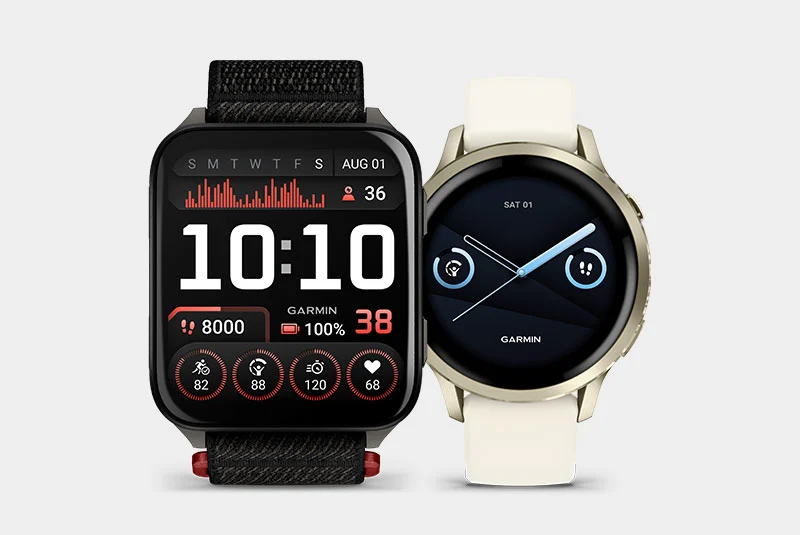
Why a Smart Watch is Your Best Cycling Companion
I remember the days of fumbling with a phone for GPS and a separate chest strap for heart rate. It was clunky, to say the least. The first time I strapped on a purpose-built cycling watch, it was a revelation. Suddenly, all my critical data was in one place, glanceable and seamless.
A modern smart watch for cycling does more than just tell time. It’s your coach, your navigator, and your guardian angel, all rolled into one sleek package. Unlike a dedicated bike computer that lives on your handlebars and gets put away after a ride, a smartwatch offers a 360-degree view of your health. It tracks your sleep, stress, and daily activity, giving you a holistic picture of your fitness that a bike computer simply can’t. This integrated approach helps you understand your recovery, prevent overtraining, and see how your efforts on the bike translate to your overall well-being.
Must-Have Features in a Smart Watch for Cycling
Not all smartwatches are created equal, especially when it comes to the demands of cycling. Let’s break down the non-negotiable features you should look for.
GPS Accuracy and Route Navigation
This is the big one. A smartwatch’s GPS needs to be rock-solid, whether you’re weaving through tall city buildings or deep in a forest trail where the signal can get sketchy. Look for watches with multi-band GNSS or dual-frequency GPS support. This technology accesses multiple satellite systems (GPS, GLONASS, Galileo) simultaneously, giving you a much more accurate and reliable fix on your location and speed.
But it’s not just about tracking where you’ve been. The best watches offer:
- Turn-by-turn navigation: Get upcoming turn alerts right on your wrist so you can keep your eyes on the road.
- Breadcrumb trail mapping: See your route in real-time and easily navigate back to the start if you get lost.
- Pre-loaded routes: Plan your adventure on an app like Strava or Komoot and sync it to your watch before you head out.
Advanced Cycling Metrics
To truly level up your training, you need data. A great smart watch for cycling will connect seamlessly with external sensors via Bluetooth or ANT+. This is a game-changer.
- Cadence Sensors: Track your pedal revolutions per minute (RPM) to improve your efficiency and pedaling technique.
- Power Meters: This is the gold standard for serious cyclists. A power meter measures the actual force you’re putting into the pedals, giving you the most accurate gauge of your effort.
- VO2 Max for Cycling: Get a specific reading of your cardiovascular fitness as it relates to cycling, helping you track your progress over time.
Heart Rate Monitoring
While wrist-based heart rate monitoring has improved immensely, for high-intensity interval training or serious efforts, nothing beats the accuracy of a chest strap. A key feature is the ability for your watch to pair with an external heart rate monitor. This allows you to use the watch for convenient daily tracking and switch to the chest strap for pinpoint accuracy during your toughest rides.
|
Our Picks for the Best Smart Watch in 2025
As an Amazon Associate, we earn from qualifying purchases.
|
||
| Num | Product | Action |
|---|---|---|
| 1 | Garmin Forerunner 165, Running Smartwatch, Colorful AMOLED Display, Training Metrics and Recovery Insights, Black |

|
| 2 | Amazfit Bip 6 Smart Watch 46mm, 14 Day Battery, 1.97\" AMOLED Display, GPS & Free Maps, AI, Bluetooth Call & Text, Health, Fitness & Sleep Tracker, 140+ Workout Modes, 5 ATM Water-Resistance, Black |
|
| 3 | Garmin Instinct 2X Solar - Tactical Edition, Rugged GPS Smartwatch, Built-in Flashlight, Ballistics Calculator, Solar Charging Capability, Coyote Tan |
|
| 4 | Garmin Forerunner 55, GPS Running Watch with Daily Suggested Workouts, Up to 2 Weeks of Battery Life, Black - 010-02562-00 |
|
| 5 | Samsung Galaxy Watch 4 40mm Bluetooth Smartwatch with ECG Heart Rate Monitor, Tracker for Health, Fitness, Running, Sleep Tracking, GPS Fall Detection, US Version, SM-R860NZDAXAA, Pink Gold |
|
| 6 | Fitbit Inspire 3 Health &-Fitness-Tracker with Stress Management, Workout Intensity, Sleep Tracking, 24/7 Heart Rate and more, Midnight Zen/Black One Size (S & L Bands Included) |
|
| 7 | Smart Watches for Men, Bluetooth Call Military Smart Watch, Waterproof Fitness Tracker with Heart Rate/Blood Oxygen/Sleep Monitor/124 Sports Modes, Tactical Watch for Android Phones & iPhone (Black) |
|
| 8 | Garmin Instinct® E 45mm, Rugged Outdoor GPS Smartwatch, 24/7 Health Monitoring, Wrist-Based Heart Rate, Up to 16 Days of Battery Life, Charcoal |
|
| 9 | SAMSUNG Galaxy Watch 5 Pro 45mm Bluetooth Smartwatch w/Body, Health, Fitness and Sleep Tracker, Black (Renewed) |
|
| 10 | Samsung Galaxy Watch 7 40mm Bluetooth AI Smartwatch w/Energy Score, Wellness Tips, Heart Rate Tracking, Sleep Monitor, Fitness Tracker, 2024, Cream [US Version, 1Yr Manufacturer Warranty] |
|
Battery Life That Goes the Distance
There’s nothing worse than your watch dying mid-ride. Battery life, especially with GPS running, is critical. A standard smartwatch might last a day, but a dedicated smart watch for cycling should offer at least 15-20 hours of continuous GPS tracking. Some high-end models can go for 40 hours or more, making them perfect for multi-day bike-packing trips or ultra-endurance events.
Safety and Connectivity Features
Your watch can be a lifeline. Look for features like:
- Incident Detection: The watch uses its internal accelerometers to detect a potential crash. If it does, it can automatically send a message with your live location to your emergency contacts.
- LiveTrack: Allow friends or family to follow your ride in real-time, giving both you and them peace of mind.
“We’ve seen a major shift,” notes Dr. Alistair Finch, a sports science and wearable technology expert. “Cyclists are no longer just tracking rides. They’re tracking their entire physiological ecosystem. A smartwatch is the only device that can connect a grueling hill climb in the morning to the quality of your deep sleep that night. That integrated data is where real performance gains are made.”
How to Get the Most Out of Your Cycling Smartwatch
So, you’ve got the gear. Now what? Simply wearing it isn’t enough. Here’s how to turn your watch into a powerful training partner.
- Customize Your Data Screens: Don’t settle for the default layout. Before you ride, configure your data screens to show what matters most to you. I like to have my main screen show Speed, Heart Rate, Distance, and Cadence. My second screen has navigation, and a third has lap data for interval training.
- Set Up Heart Rate Zones: Spend a few minutes in the companion app to set up your personal heart rate zones. This will make your training far more effective, allowing you to target specific efforts, whether you’re doing a recovery ride in Zone 2 or pushing your limits in Zone 5.
- Sync with Your Favorite Apps: The real power comes from the ecosystem. Connect your watch’s app to services like Strava, TrainingPeaks, or Komoot. This automates the process of logging your rides, analyzing your performance, and discovering new routes.
- Use the Climb Features: Many advanced watches have features that automatically detect when you start a climb. They’ll show you a dedicated screen with the gradient, remaining distance, and elevation gain. It’s a fantastic motivator when your legs are burning.
Smartwatch vs. Dedicated Bike Computer: Which is Right for You?
This is a common question, and the answer depends on your priorities. A dedicated bike computer, like a Garmin Edge or Wahoo ELEMNT, has a larger screen and is purpose-built for one thing: cycling.
| Feature | Smart Watch for Cycling | Dedicated Bike Computer |
|---|---|---|
| Screen Size | Smaller, on the wrist | Larger, handlebar-mounted |
| Versatility | Excellent (24/7 health, multi-sport) | Limited (cycling only) |
| Convenience | Always with you | Must be mounted/removed |
| Battery (GPS) | Good to Excellent (15-60+ hours) | Excellent (20-100+ hours) |
| Holistic Health | Comprehensive tracking | None |
| Price | Varies, often higher for top models | Generally more affordable for core features |
So, can a smartwatch really replace a dedicated bike computer?
For the vast majority of cyclists, from commuters to serious amateurs, the answer is a resounding yes. A high-end smart watch for cycling now offers nearly all the advanced metrics, navigation, and sensor compatibility of a dedicated computer, with the massive added benefit of being a 24/7 health and lifestyle companion. The only riders who might still strictly prefer a bike computer are professional racers or data-obsessed enthusiasts who need the largest possible screen for at-a-glance mapping and complex data fields.
Frequently Asked Questions
Q: How accurate is the GPS on a smart watch for cycling?
A: Modern high-end smartwatches, especially those with multi-band GNSS, are incredibly accurate. For most riders, the accuracy is virtually indistinguishable from a dedicated bike computer. They can reliably track your route, speed, and distance even under tree cover or in urban canyons.
Q: Will I be able to see the screen in bright sunlight?
A: Most fitness-focused smartwatches use display technologies like AMOLED or Memory-in-Pixel (MIP) that are designed for excellent outdoor visibility. Look for models specifically praised for their bright, high-contrast screens that are easily readable at a glance, even on the sunniest days.
Q: Can I use the touchscreen with cycling gloves on?
A: This can be tricky. While some touchscreens work with specific “touchscreen-compatible” gloves, it’s often unreliable. This is why it’s crucial to choose a watch that also has physical buttons. You can use these buttons to start/stop activities, scroll through data screens, and mark laps without ever taking your gloves off.
Q: Is a smart watch for cycling waterproof?
A: Yes, virtually all sports-oriented smartwatches are highly water-resistant, typically rated to 5 ATM or 10 ATM. This means they are more than capable of handling heavy rain, sweat, and even a post-ride swim.
Q: How does a smartwatch connect to third-party apps like Strava?
A: The connection is seamless. You typically authorize the connection once in the watch’s companion phone app (like Garmin Connect or the Apple Health app). After that, every ride you record on your watch will automatically and wirelessly sync to your Strava profile as soon as you finish and your watch is near your phone.
Your Ultimate Riding Partner
Choosing the right smart watch for cycling is about more than just technology; it’s about finding a partner that enhances every aspect of your ride and your life. It provides the data to train smarter, the navigation to explore further, and the safety features to ride with confidence. By consolidating your performance metrics and your daily wellness data into one powerful device, it offers a complete and motivating picture of your journey as an athlete.
So, as you prepare for your next ride, consider what a co-pilot on your wrist could do for you. What are your must-have features in a cycling watch? Share your thoughts or questions below—let’s hit the road together.